
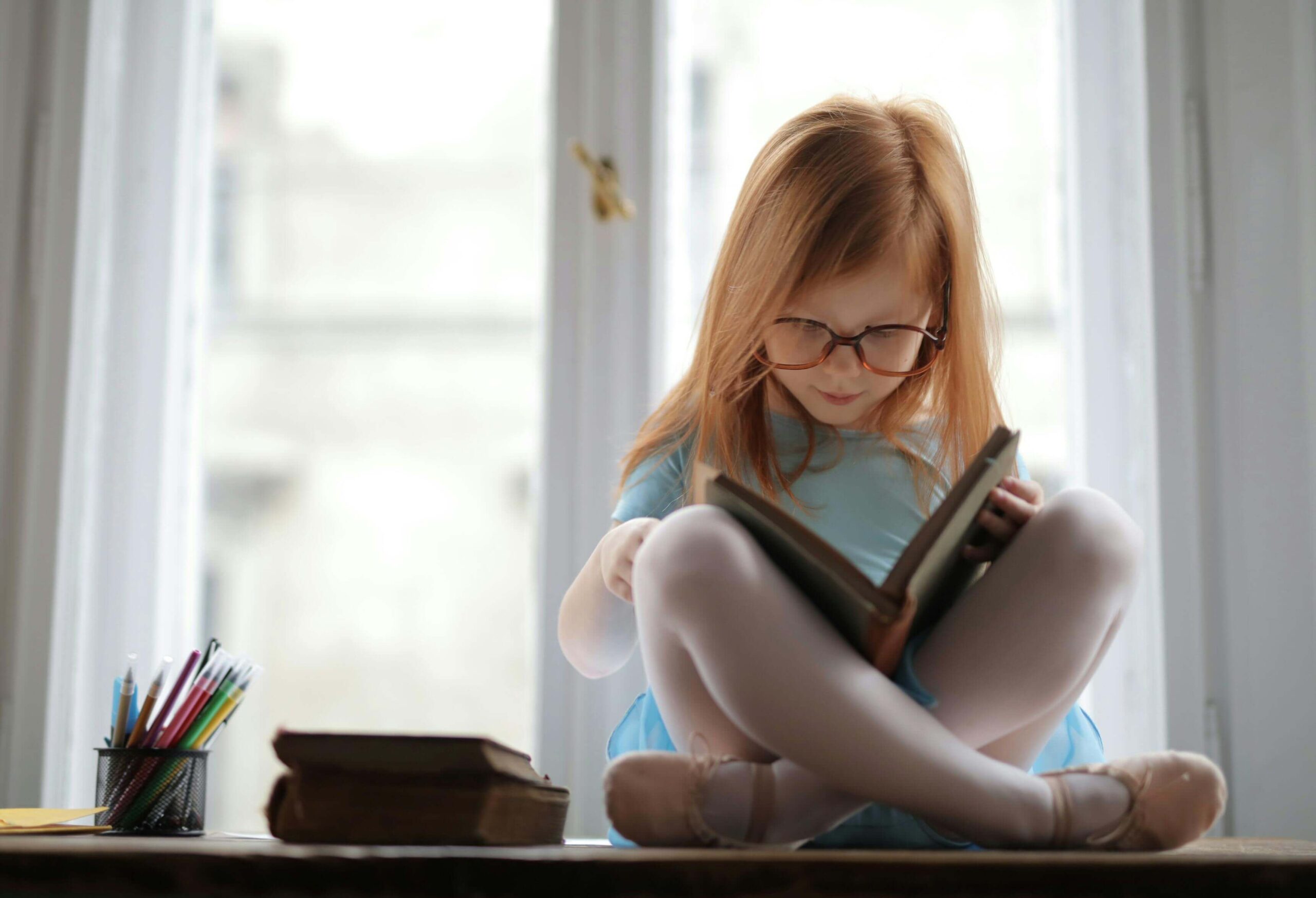
The news isn’t great.
A recent survey found that 40% of Americans didn’t read a single book last year. Not one. Of the remaining 60%, most read only a few, and fewer than 20% read ten or more. Even more concerning, reading proficiency among children is declining. By fourth grade, about 40% of kids are reading below basic levels.
Before you click away—this isn’t a post meant to shame anyone or bombard you with gloomy statistics. Life is busy. Parenting is exhausting. Screens are everywhere. I get it.
I’m writing this simply to say, especially to moms and grandmothers: what you do matters. Encouraging children and grandchildren to read is still one of the most powerful gifts we can give them.
And the benefits go far beyond completing a school assignment.
Reading supports both physical and mental health. Strong readers tend to do better in school and beyond. Books expose children to rich vocabulary they won’t hear in everyday conversation. Reading together strengthens bonds between children and parents or grandparents. It improves focus, listening skills, and imagination. Readers often become better writers. And yes—reading really does boost brain power.
Call me old-fashioned, but there’s something special about holding a book, turning pages, and getting lost in a story.
How to Help Kids Make Reading a Habit
Let kids choose their own books. Create a cozy reading spot and a regular time, even if it’s short. Encourage older kids to read for enjoyment, not just for school assignments. Help them explore different genres and authors. Talk about what they’re reading. If there’s a movie version, watch it together after the book. Read as a family or one-on-one. And keep reading aloud, even when they can read on their own—kids can understand stories that are far more complex than what they can tackle independently.
Audiobooks count too. Long car rides are perfect for listening together, sparking conversations, and—if you stop at a cliffhanger—motivating quick bathroom breaks.
How Do You Know What to Read?
If your child is facing a change, look for books that speak into that season. My two-year-old grandson is learning to share, so my daughter-in-law is on the hunt for stories about that very thing.
Mix in classics like Charlotte’s Web, The Lion, the Witch and the Wardrobe, or Where the Wild Things Are. Follow your child’s interests. Try fiction, nonfiction, poetry, and history. When someone recommends a great book, jot it down in your phone. And don’t underestimate librarians—they know what’s flying off the shelves.
I truly believe there’s a book out there for every child. Sometimes it just takes finding the right one.
As children grow in reading, comprehension, and critical thinking, they’re also better equipped to read and understand the Bible—the ultimate book we want them to engage with for a lifetime.
What tips have worked in your home? I’d love to hear them—share in the comments belo